Your website is often the first impression people have of your business. Whether someone discovers your brand through Google, social media, or a recommendation, they'll almost always visit your website before deciding to contact you or make a purchase. That's why choosing the right web designer isn't simply about finding someone who can create an attractive website—it's about finding a professional who understands your business and can build a website that supports your long-term goals.
With so many freelancers, agencies, and website builders available today, it's easy to feel overwhelmed. Every provider promises beautiful designs and great results, but not every designer is the right fit for your project. Taking the time to evaluate your options carefully can save you time, money, and frustration in the future.
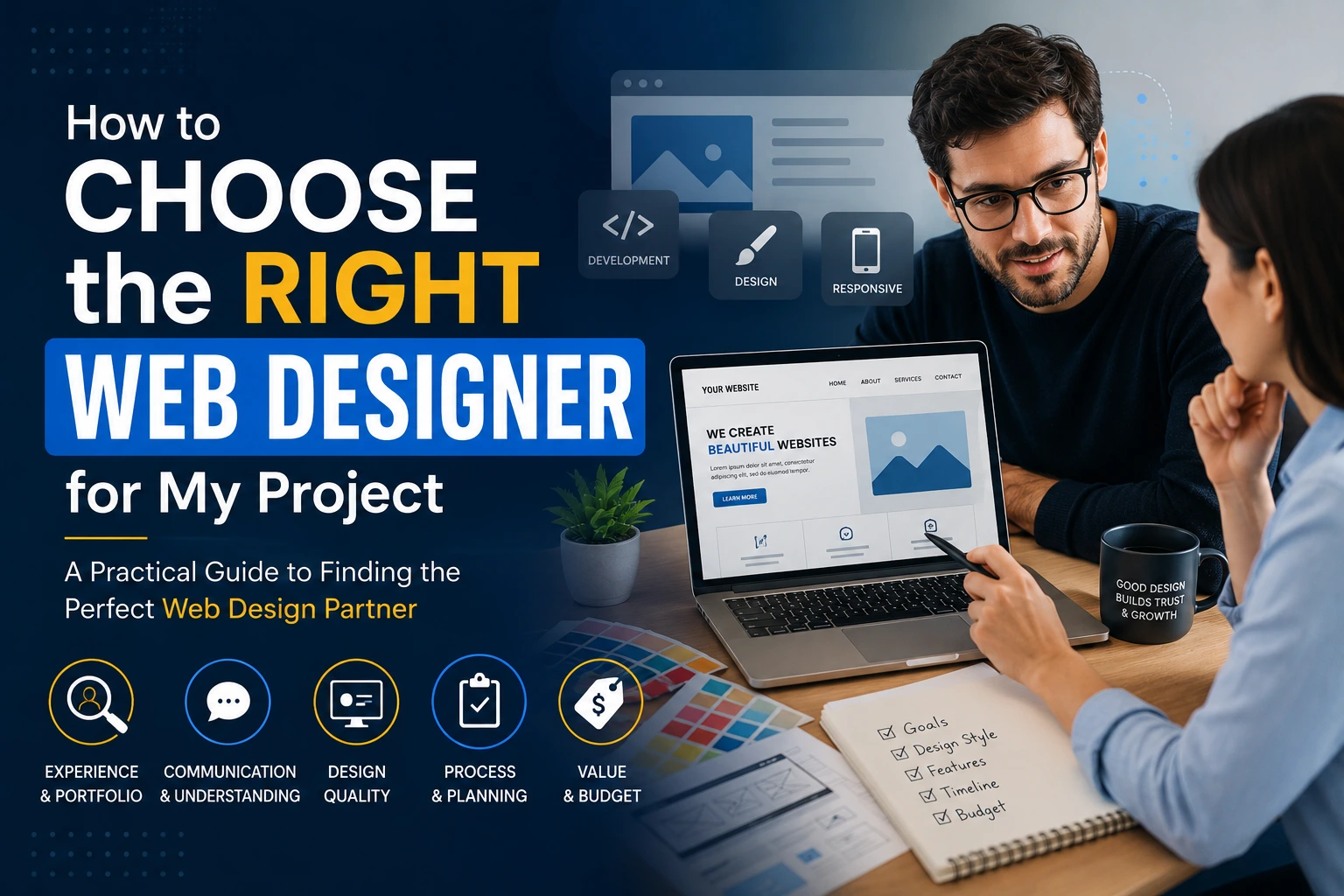
One of the first things to look at is the designer's previous work. A portfolio tells you far more than a sales pitch ever will. Instead of simply judging whether the websites look visually appealing, pay attention to how each project solves a business problem. Notice the navigation, readability, mobile responsiveness, and overall user experience. A good web designer creates websites that are not only attractive but also easy to use and designed to convert visitors into customers.
Experience within your industry can also be valuable, although it isn't always essential. A designer who has worked with businesses similar to yours may already understand your audience, your competitors, and the features your customers expect. At the same time, experienced designers often bring fresh ideas from other industries that can help your business stand out.
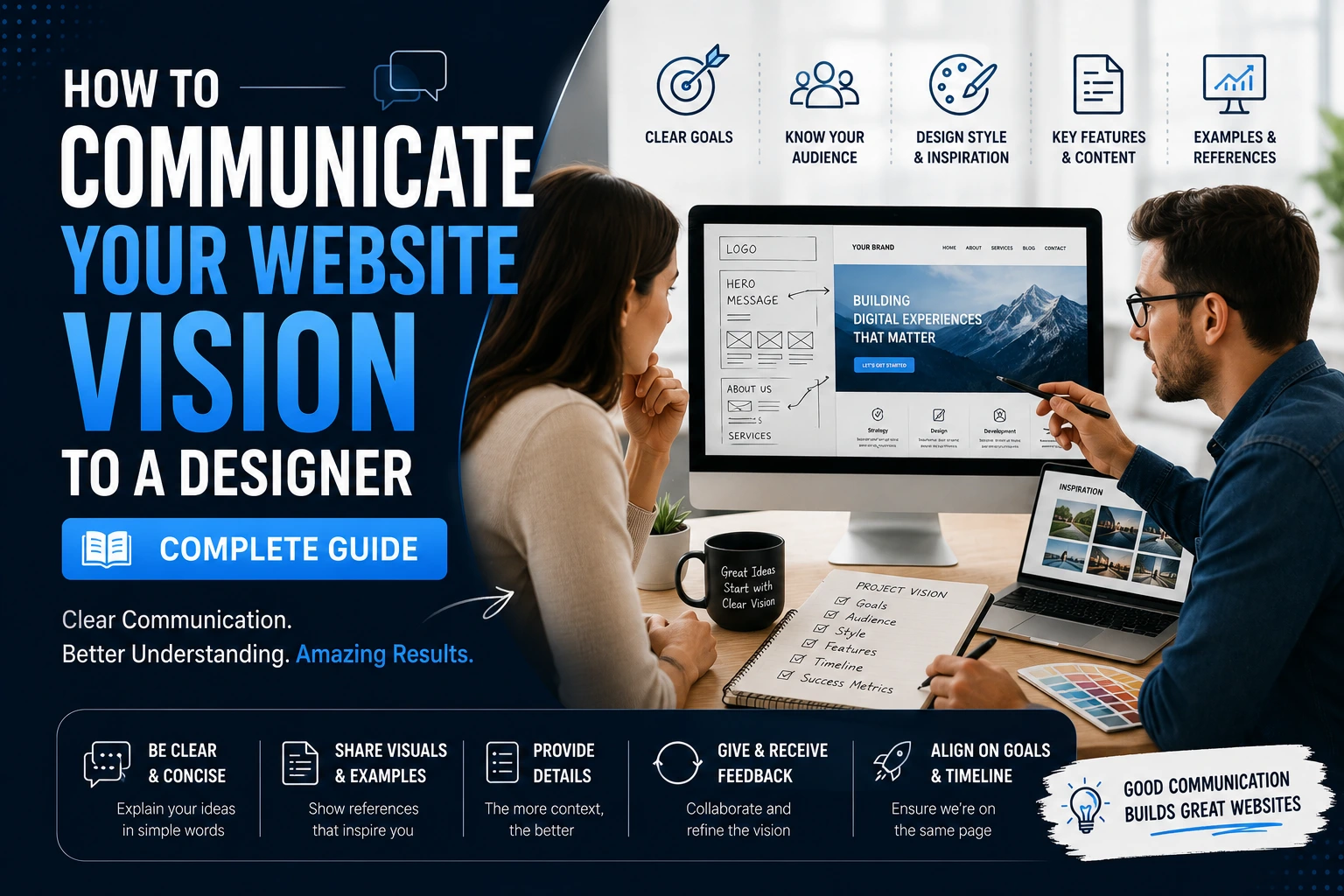
Another important factor is how well the designer understands your business before discussing the project. During the initial conversation, they should be asking questions about your goals, target audience, competitors, current challenges, and future plans. If the discussion focuses only on colours and layouts without understanding what your business is trying to achieve, it may be difficult to create a website that delivers meaningful results.
A professional web designer also thinks beyond aesthetics. Modern websites need to load quickly, work seamlessly on mobile devices, and provide an excellent experience across different screen sizes. They should be built with search engine optimization in mind so that your business has a stronger foundation for appearing in search results. Performance, accessibility, and usability are just as important as visual design.
Communication is another area that is often overlooked. Website projects usually involve multiple revisions, content updates, and regular discussions. Choosing a designer who communicates clearly, explains technical concepts in simple language, and keeps you informed throughout the project makes the entire experience much smoother. Good communication builds trust and helps avoid misunderstandings that can delay a project.
As your business grows, your website should be able to grow with it. You may decide to launch new services, publish blogs, add an online store, or expand into new markets. A well-planned website should make these future changes easier instead of requiring a complete redesign. Asking how the website can scale over time is an important part of choosing the right development partner.
It's equally important to understand what happens after the website goes live. Many businesses assume the project ends once the website is published, but websites require regular updates, maintenance, security monitoring, and occasional improvements. Knowing whether your web designer offers ongoing support can help you avoid unexpected challenges later.
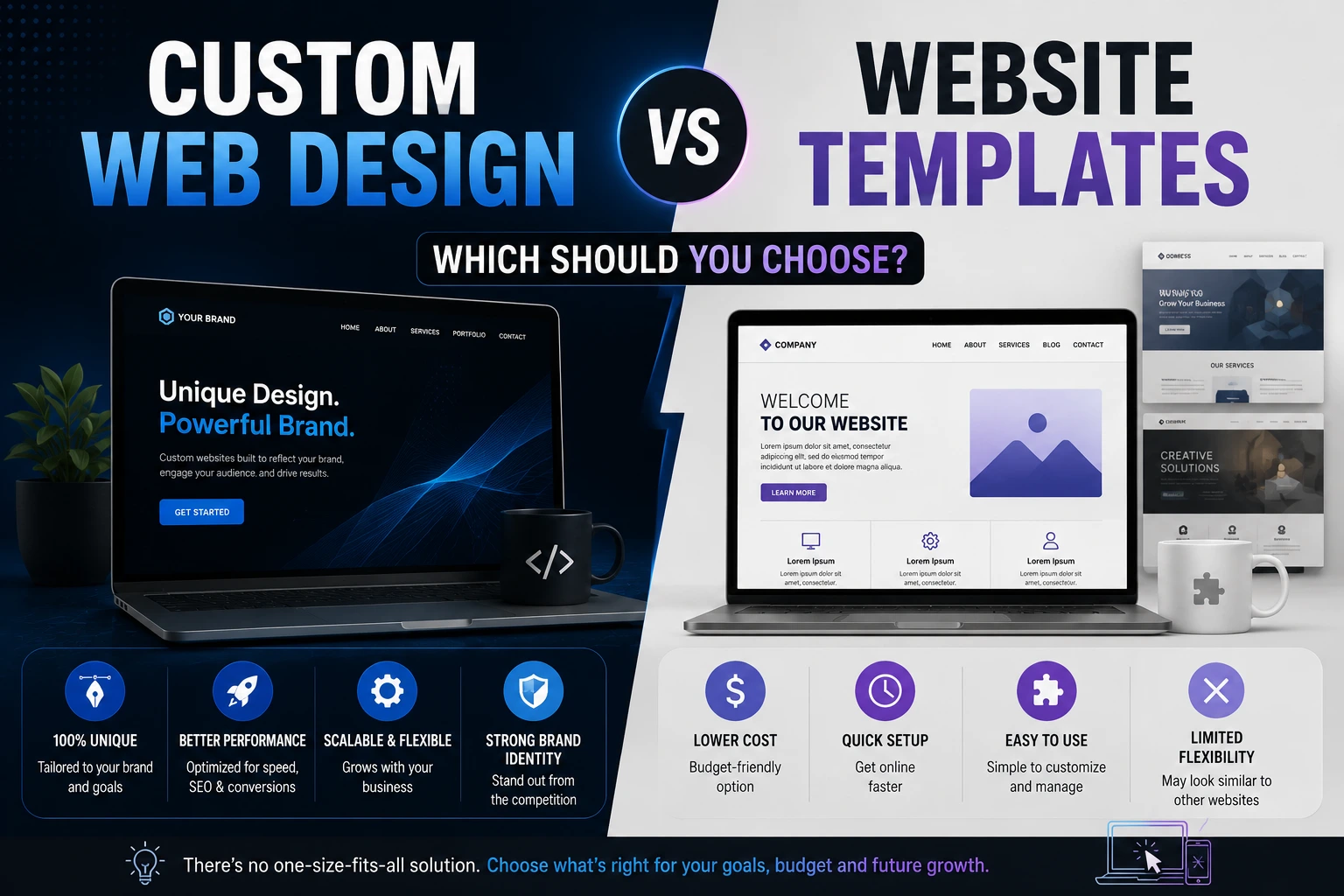
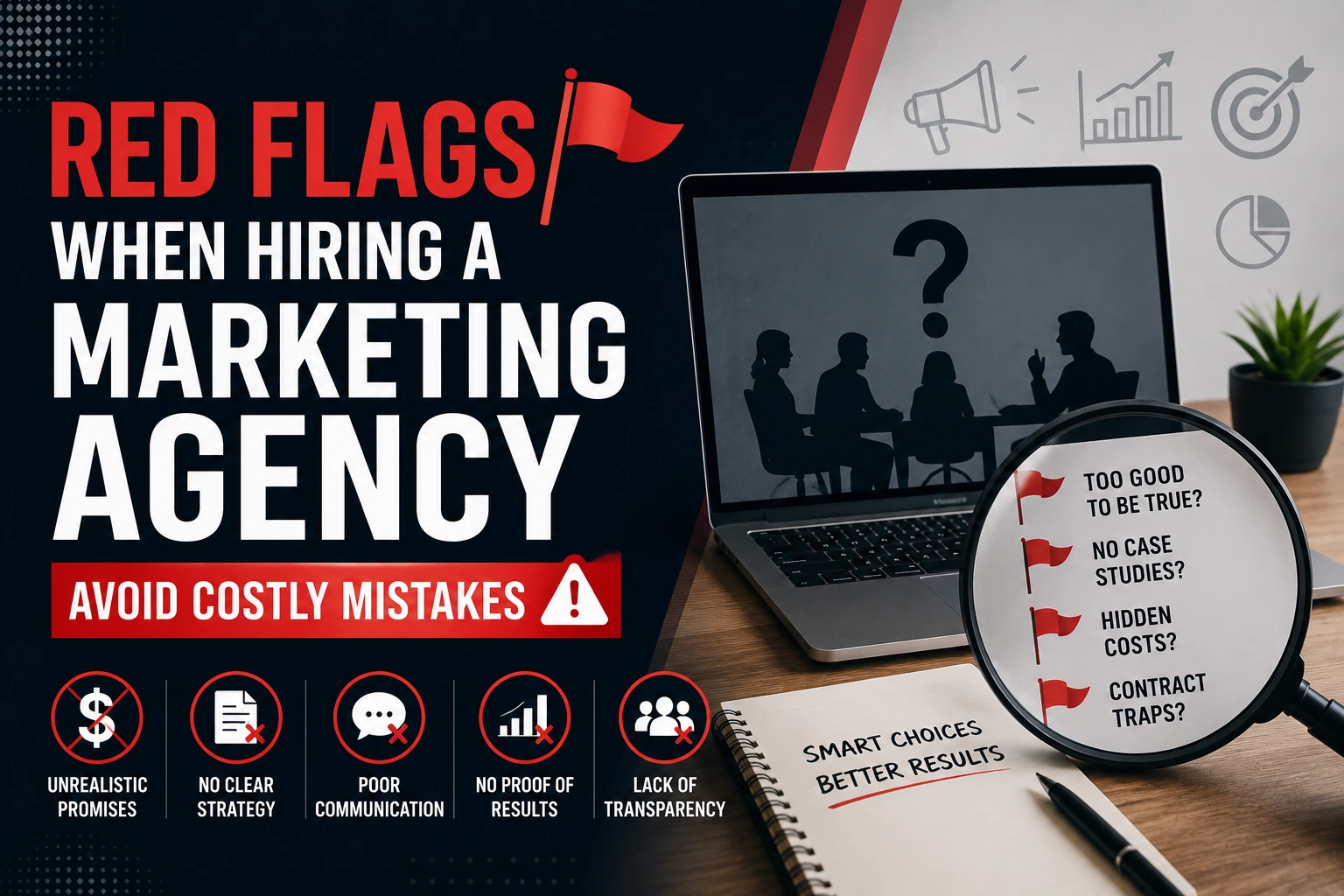
While budget is naturally an important consideration, it shouldn't be the deciding factor. A lower quote may seem attractive at first, but it could also mean fewer features, limited support, poor optimization, or additional costs later. Rather than searching for the cheapest option, focus on finding someone who provides value, understands your objectives, and delivers solutions that contribute to your business growth.
The best web designers don't begin by talking about templates or pricing. They begin by learning about your business. They want to understand your customers, your goals, your competitors, and the challenges you're facing before recommending the right solution. That consultative approach often leads to better results because the website is built around your business rather than forcing your business to fit a predefined template.
Choosing a web designer is ultimately about building a partnership. Your website will represent your brand for years to come, and the person or agency behind it should be someone you trust to support your digital journey. When you invest time in choosing the right partner, you're far more likely to end up with a website that not only looks professional but also helps your business attract customers, generate leads, and grow with confidence.
Final Thoughts
There is no single checklist that guarantees you'll find the perfect web designer, but asking the right questions and looking beyond attractive visuals will help you make a smarter decision. Choose someone who listens before they recommend, understands your business before they design, and focuses on creating a website that delivers real business value.
A great website isn't built by chance. It's built through thoughtful planning, collaboration, and a clear understanding of your goals. The right web designer will help turn your vision into a digital experience that reflects your brand and supports your success for years to come.
Written from the trenches of real client projects at Xpanix.
Work with us